
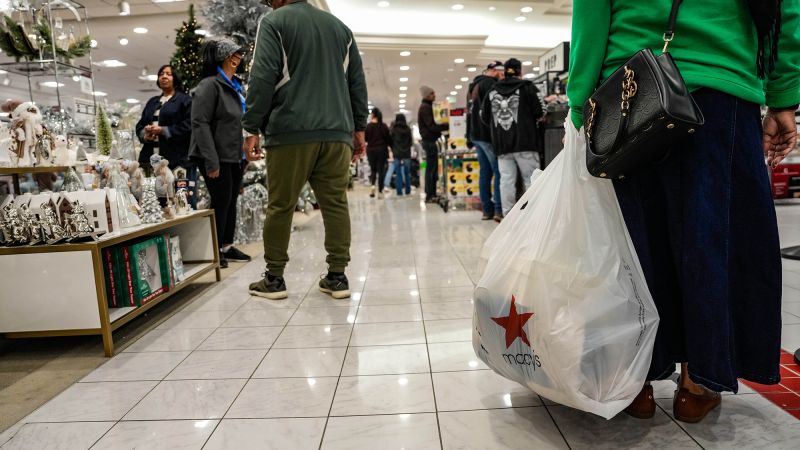
Macy’s announcement Tuesday that it will close 150 stores, or nearly a third of its total, is the result of a once-great department store industry in decades of decline.
The gradual demise of the American department store can be blamed on many factors: competition from big box retailers, a shift to online shopping and activist shareholders fighting for control of the company’s board.
Another key problem: The retail industry has been split in two as inflation has taken its toll. That means brand like Walmart that are focused on inexpensive items are succeeding, as are luxury brand for people who still have means to afford finer items. But department stores, focused on America’s middle class, are fading.
But to retail analyst Neil Sauders of GlobalData, the key problem for Macy’s and many other troubled department store chains is more fundamental: Company management did little to update their offerings to compete with new rivals over the years.
“Quite frankly, a lot of them stopped caring. They stopped listening to customers,” he said. “Sure online has taken its share, sure big box has taken its share. But most of all, it’s a failure to evolve.”
Department stores were once the giants of American retail. Macy’s, Sears, and JC Penney offered a selection of products and convenience for shoppers that reshaped how and where Americans bought everything they needed for their homes, from clothing to appliances to toys to electronics.
There was room in the sector for dozens of brand names. The victims of shifting consumer tastes were not the department stores that anchored the local mall, it was the small, locally owned stores along downtown shopping districts that were closing their doors.
No longer.
The department store sector has long since been overtaken by big box competitors such as Walmart and Target that offer anything they do – and more, including groceries, often at lower prices.
And possibly even more than the big box competitors, department stores have suffered from consumers shifting to buying items online rather than in person.
The steady closing of the department stores that once served as “anchors” of malls across suburban America has been another nail in the coffin of many malls, hurting the department stores that remained in hollowed-out malls with a fraction of their earlier traffic.
In the face of all these trends, Macy’s announcement Tuesday that it plans to close about 150, or 30%, of its remaining store locations, comes as no big surprise. It’s not the first round of store closings in the sector, and it certainly won’t be the last.
“In 10 years time we’ll still be talking about this trend, because there will be fewer [department stores] than there are now,” said Neil Saunders, retail analyst for GlobalData.
Saunders’ stats show that department stores have fallen from 14.1% of US retail sales in 1993 to just 9.8% ten years later, to 5.7% in 2013, and to only 2.6% last year. Total sales by US department stores are expected to fall from $103 billion in 2018 to only $81 billion by 2026, according to projections from Coresight Research, an analytics firm that tracks the sector.
“Decline in inevitable. But I don’t think extinction is inevitable,” Saunders said.
Still feeling effects of the pandemic
Among the headwinds faced by the sector was the pandemic, when enclosed malls were closed by stay-at-home orders, but big box rivals stayed open by offering groceries. That gave those already-successful rivals access to customers they may not have had before.
And among the problems that continued after the pandemic was the greater availability of curb-side pickup options that many shoppers discovered at Walmart or Target during the pandemic, but which weren’t available for many mall-based department stores.
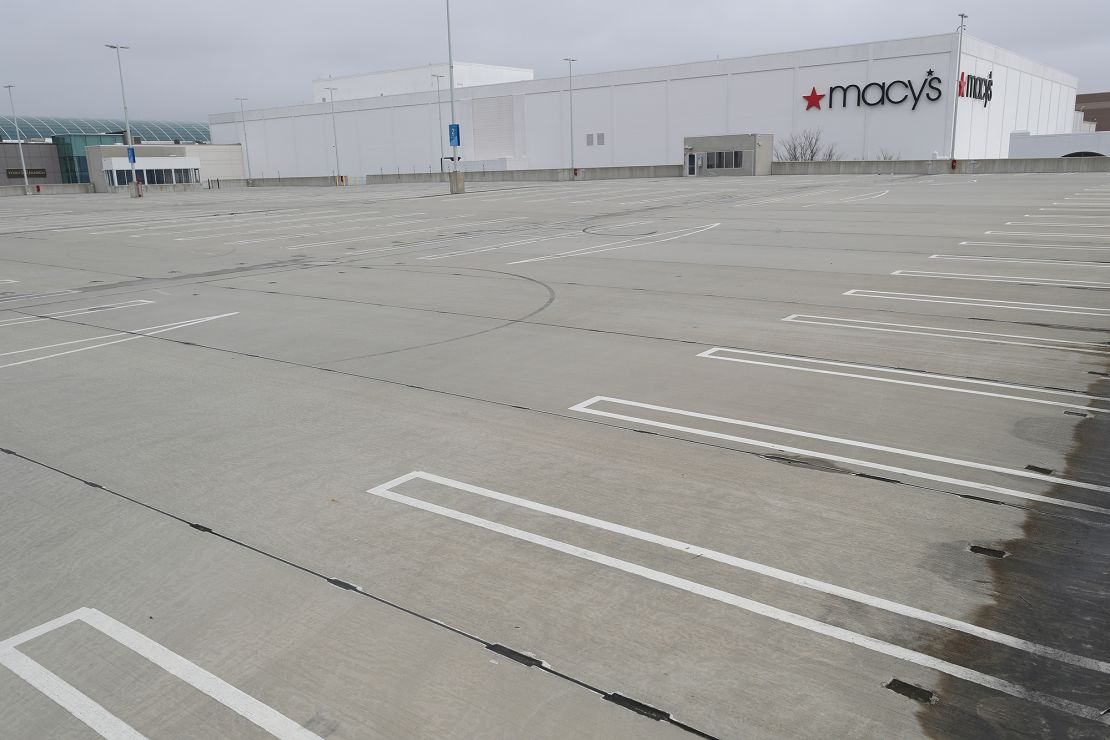
In addition, the shift of many office workers working from home for at least part of their week, if not completely, reduced the demand for dress clothes, which a core offering by department stores, said Sunny Zheng, a research analyst at Coresight. And she said some clothing brands also started selling more directly to consumers during the pandemic.
“There are definitely the structural challenges that took place,” she said.
Macy’s said Tuesday this latest restructuring is an effort to evolve, to shift more resources to its more successful stores and its more upscale brands, such as Bloomingdale’s. Its new CEO, Tony Spring, admitted that following surveys of customers, “it became increasingly clear that the needs are not being fully met.”
“We’re driving a higher level of accountability amongst our teams to ensure we keep up with customers’ evolving tastes, needs and preferences,” he promised investors.
But he’ll have to do so while fending off a takeover attempt by a group of activist investors whose plans to take the company private late last year had been rebuffed.
Such takeover plans have rarely worked well in retail. The retailers’ graveyard is filled with once-proud brands, from upscale department store chain Lord & Taylor to RadioShack to Toys ‘R’ Us to Payless Shoes, all of which were forced into bankruptcy and closure due to the unaffordable debt that private equity owners ladened onto their balance sheets.
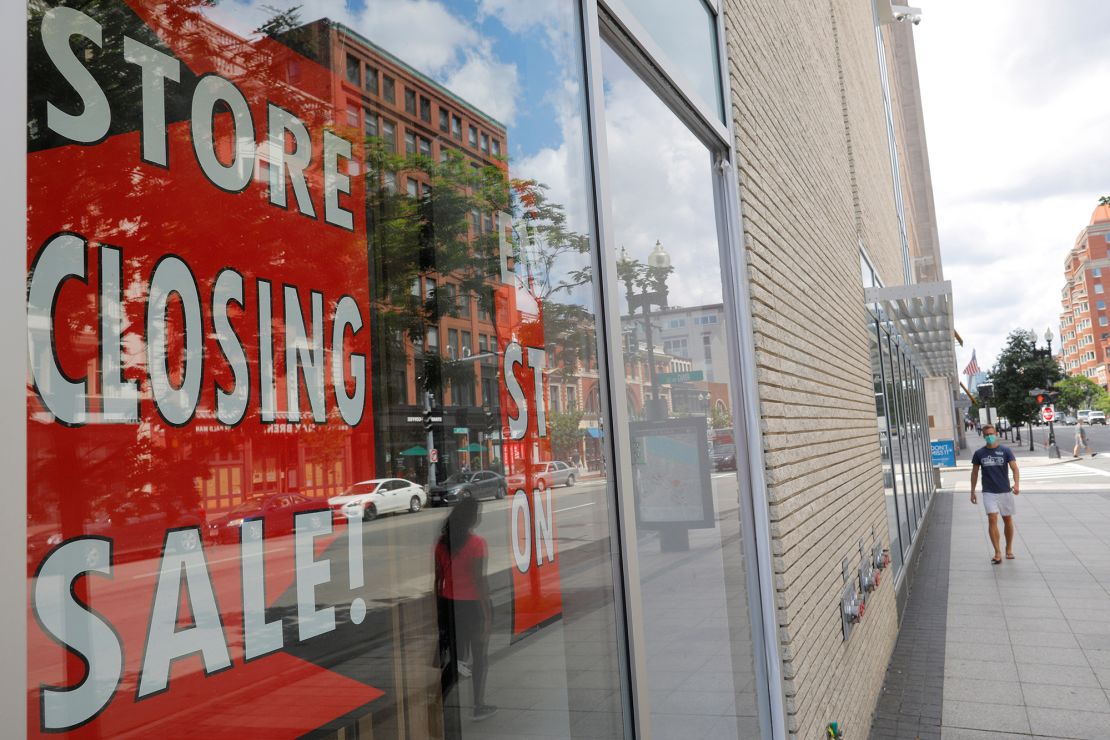
Sears, once the world’s largest and most transformative retailer, has all but disappeared under the ownership of hedge fund operator Eddie Lambert.
Saunders said one of the primary problem for Macy’s is that its holding company, formerly known as Federated Department Stores, spent much of its resources on buying other department store brands, such May’s Department Stores, and Filene’s, rather than investing in the stores its held.
There needed to be some thinning of the sector for some of the brands to survive and thrive, said Michael Brown of consultant Kearney.
“We had too many department stores,” Brown said. “In the heyday, people made trips out to them because of what they offered. But they became plain, became vanilla.”
In pictures: The rise and fall of Sears
But Brown said he sees some reason to hope that Macy’s plans could be successful.
“They’re shifting to clientele they want to serve, and the format they need to bring them in,” he said. “To be successful it’s a challenge they have to rise up to.”
But not all of the remaining department store chains will be able to survive, he cautioned.
“There will be winners, but there will be losers in the years ahead,” he said.
Read the full article here